On the quiet work of coaching — and the feeling of being expected somewhere.
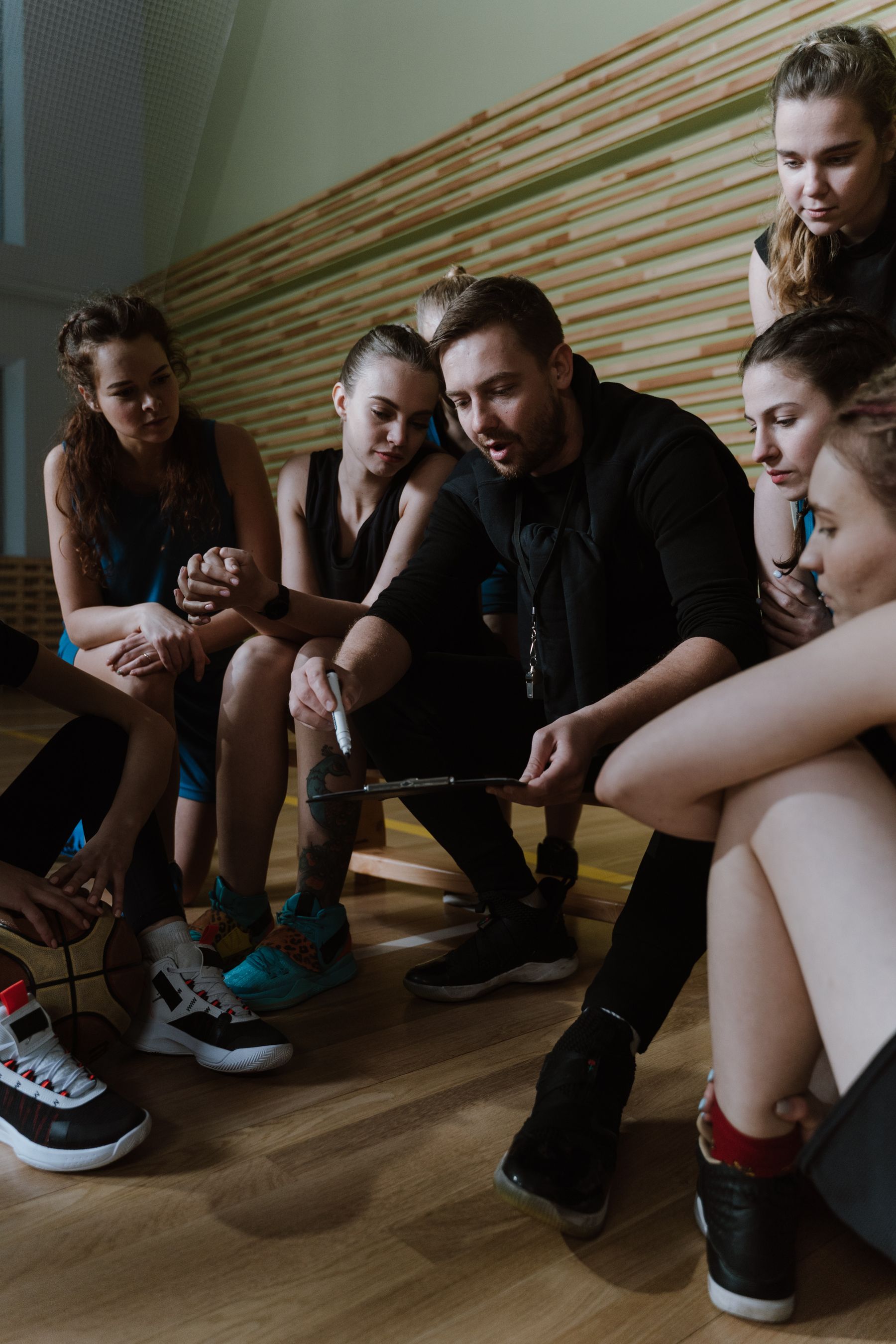
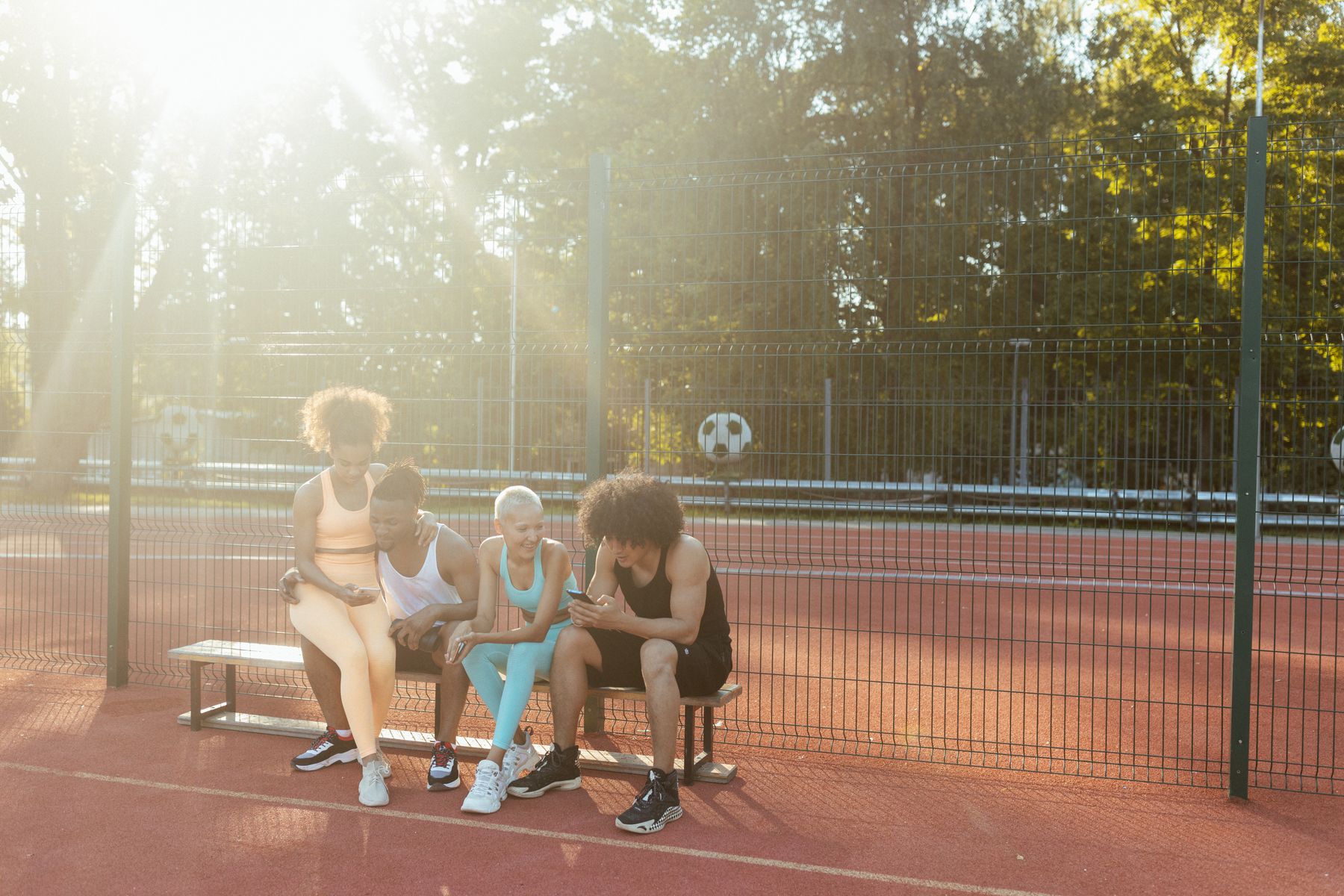
Between the instructions, a shared moment.
Before anyone keeps score, someone has to open the door.
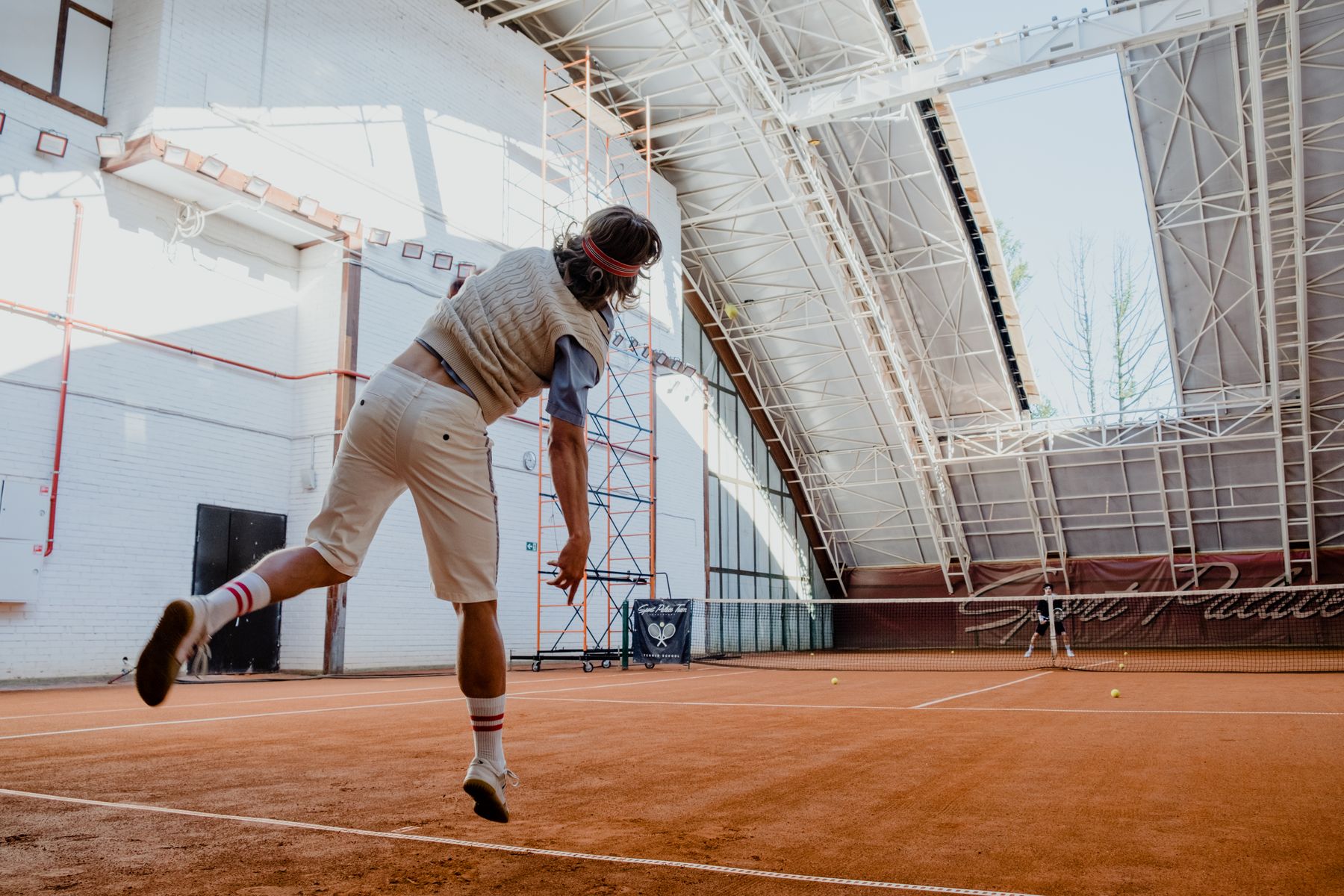
In this imagined afternoon, the coach arrives before the players. There are balls to gather and a space to clear. Nothing about it looks like a defining moment. Yet this is where the story begins: with the small work of making a place ready for other people.
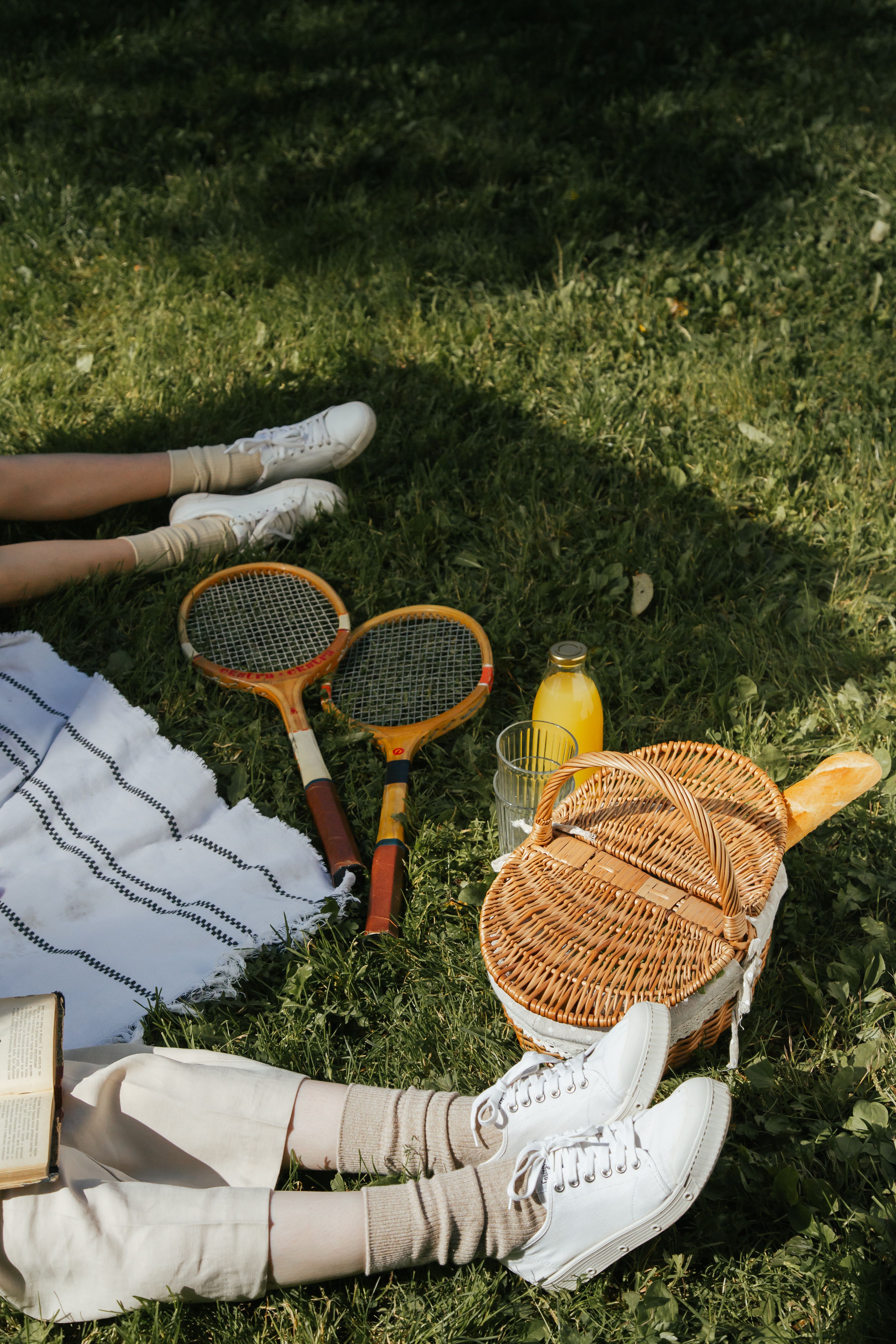
The first player pauses at the edge of the court. The coach makes room in the circle. A name is learned, a ball is passed, and the afternoon starts to feel a little less unfamiliar.
Learning to notice.
From a distance, coaching can look like a sequence of instructions. Stand here. Try again. Keep moving. Closer up, another kind of attention becomes visible: knowing when someone needs an explanation, when they need a pause, and when they simply need to be included.
For the coach in this fictional story, the important question is not only whether a player improves today. It is whether that player wants to return tomorrow. Confidence can be quiet. Sometimes it looks like asking a question that felt impossible a week earlier.
Teaching has a history, too. Someone once welcomed the coach into a new place. Someone noticed a small improvement. The memory of being encouraged can shape the way encouragement is offered years later.
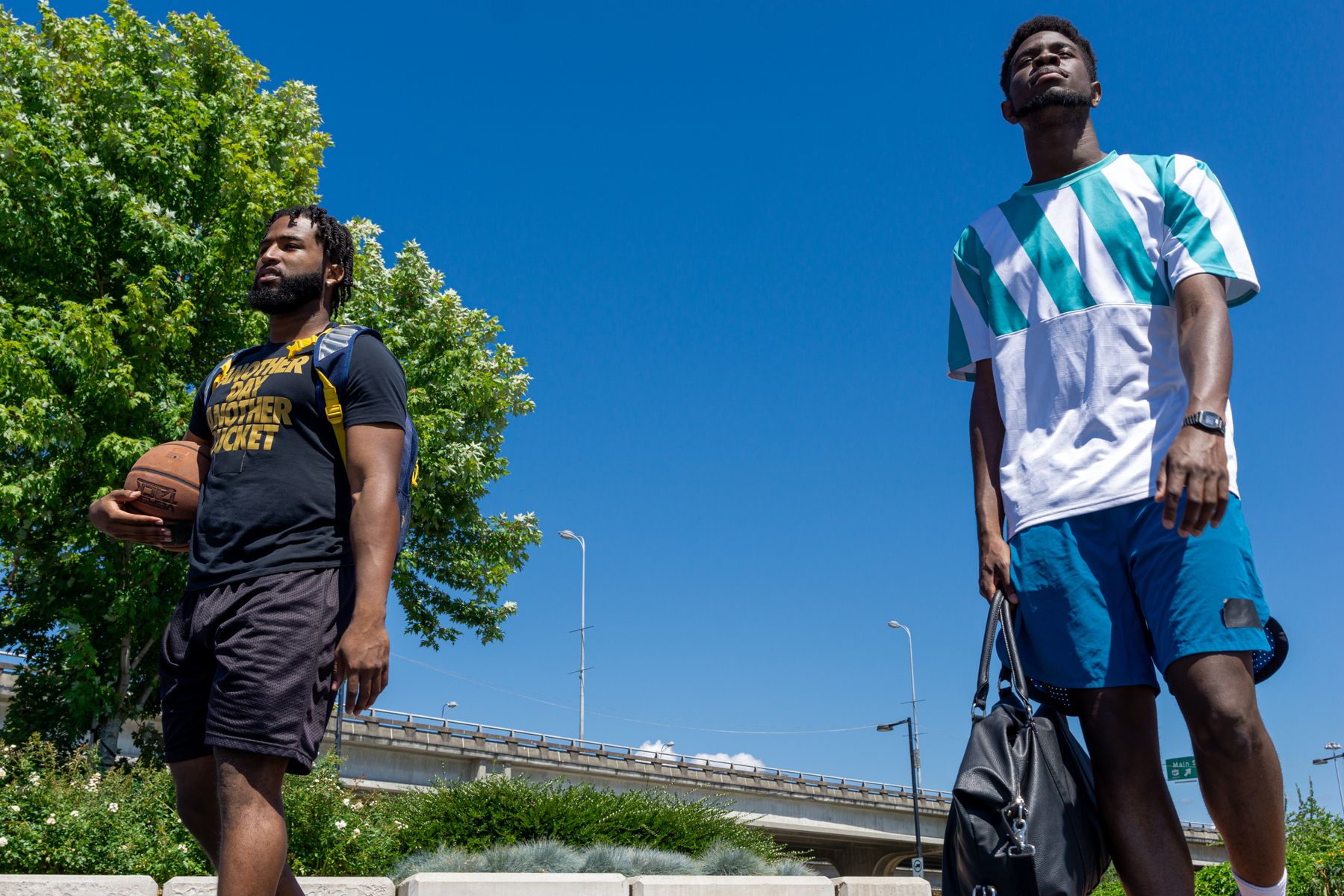
Arriving together.
The place around the person
A club is made of small gestures.
In our imagined club, the welcome does not end at the first session. Someone remembers a name. A more experienced player stays for one extra drill. The conversation continues while the equipment is being put away.
These moments are easy to leave out of a sporting biography. They do not fit neatly beside medals or match results. But they explain why a place becomes part of a person’s week, and why its absence would be felt.
The space matters, but so do its routines: who arrives early, who stays behind, who notices an empty place. Over time, those habits become part of a club’s character.
There is a life around the game.
An editorial reflection, not an interview quotation.
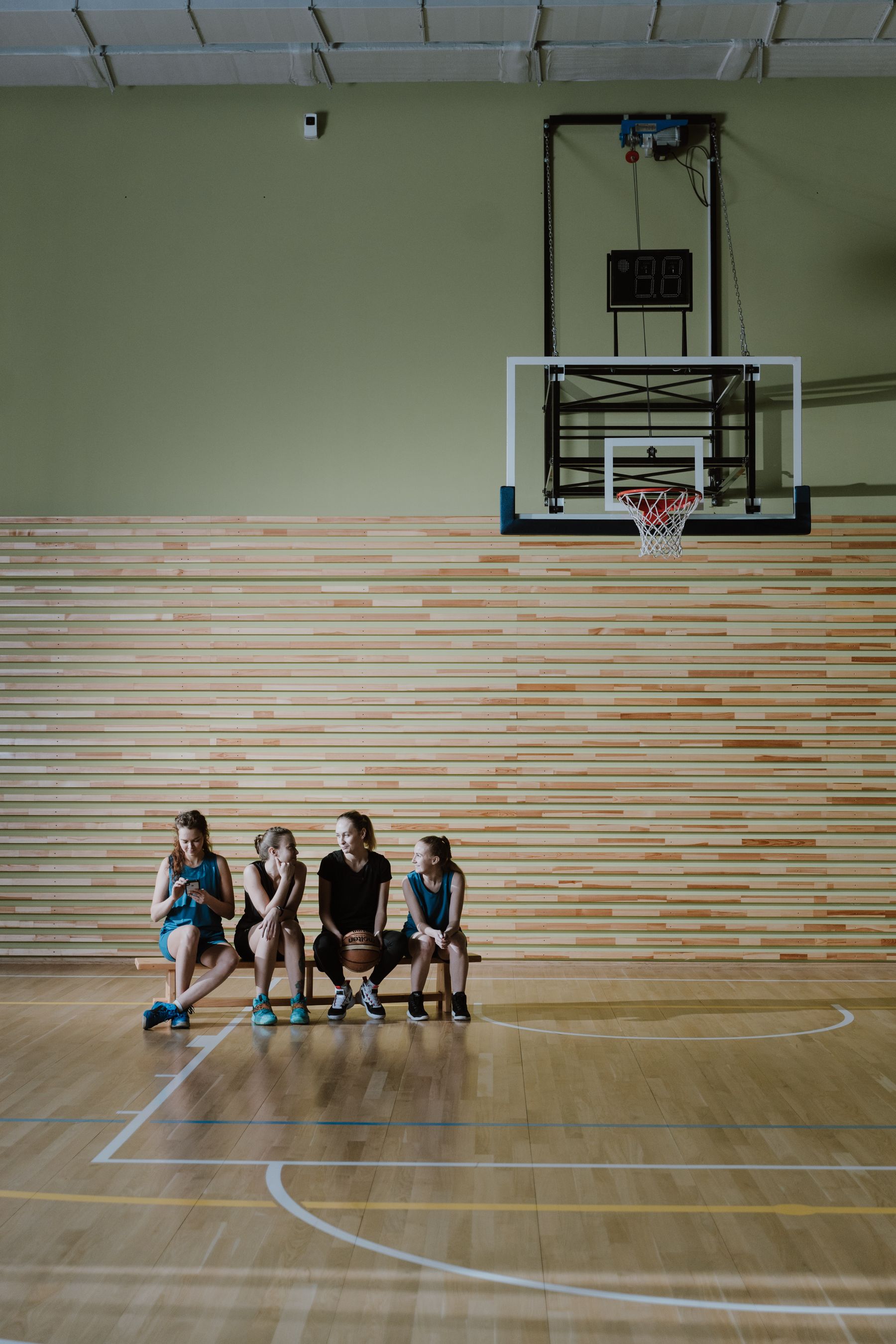
The time in between.
Something to pass on.
The imagined session ends without a grand speech. People collect their things. A conversation runs a little longer than expected. Before leaving, someone asks when they can come again.
That is the possibility this story wants to explore. A coach can pass on technique, but also a way of treating people: patience after a mistake, generosity with a newcomer, and the courage to begin before feeling ready.
What will the next generation carry with them? Perhaps a better technique. Perhaps the memory of someone who was patient when learning felt difficult. Both can last beyond a session.
Keep exploring
The places that bring us together.
Meet the community direction behind whotu. Real partner profiles and club stories will follow as relationships are confirmed.
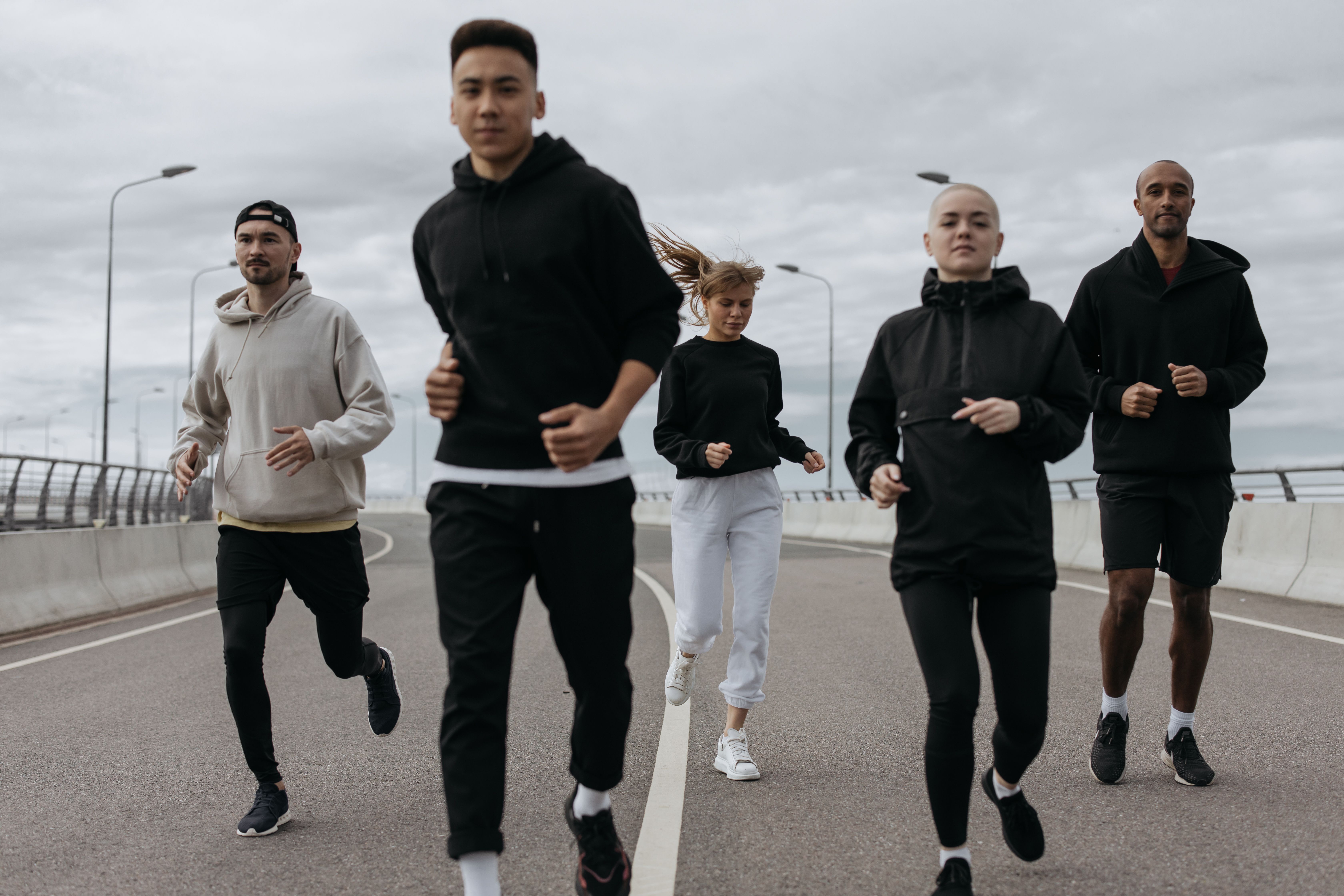
Different lives. Different ways of finding a place in sport.
Drag to explore. Open a profile to read more.
Running / A return to movement
Learning to begin again.
Maya Chen
After years away from the track, Maya is learning to run for herself again.
Read the profile
Once a school-team runner, Maya measured every run against a time. Returning after a long break, she is finding pleasure in the ordinary miles, even when the watch stays at home.
Tennis / Finding a voice
A game of his own.
Noah Lim
A young player learns to trust his own decisions, on and off the court.
Read the profile
For years, Noah followed the plan someone else made. A difficult loss led to an honest conversation about the way he wanted to play, and the coach he wanted beside him.
Basketball / Belonging
More than the score.
Leo Tan
An injury changes how Leo sees the people who keep a team together.
Read the profile
While recovering, Leo began helping at weekend sessions. Keeping score, setting up and welcoming newcomers gave him a different view of belonging to a team.
Racket sports / Friendship
Room for someone new.
Jules Park
Jules remembers arriving alone. Now she notices who might need an introduction.
Read the profile
Learning a racket sport also meant learning how to join in. Jules gradually became the person inviting friends along, remembering how much that first welcome had mattered.
Running / A life in motion
Still curious.
Daniel Lee
Daniel is still curious about the next route, and the people he might meet along it.
Read the profile
After years spent chasing personal times, Daniel now enjoys accompanying beginners. The pace is different; the habit of showing up is the same.
Coaching / Passing it on
The quiet work.
Alex Morgan
A coach looks back at the small moments of encouragement that stayed with him.
Read the profile
Alex values patient observation over long speeches. His approach to teaching keeps changing as he notices what different players need.