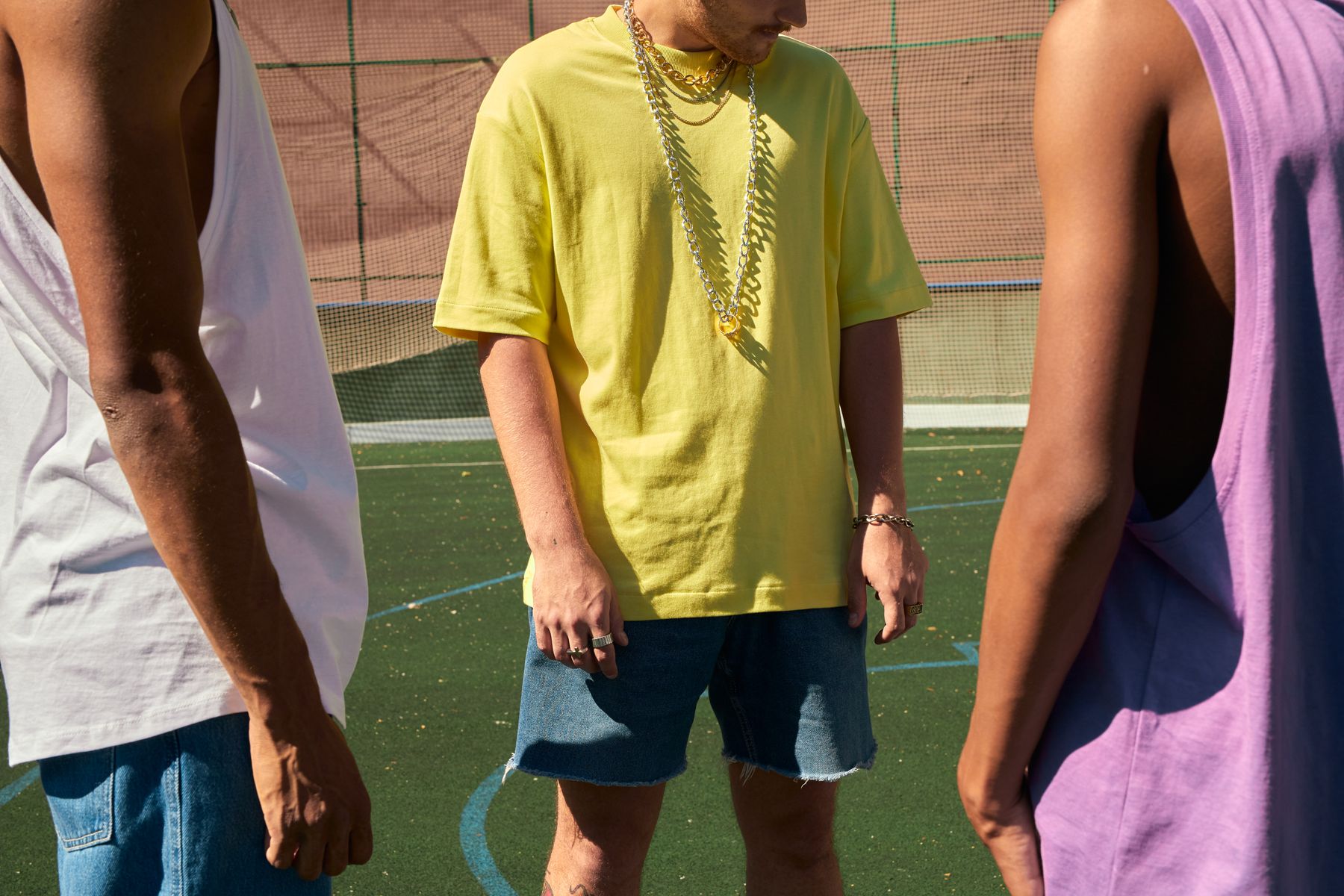
The first six.
A borrowed ball and a group chat. The first gathering had no name. Its most important result was that everyone wanted another one.
Chapter one / Starting small
Clubs / An imagined club story
A few friends.
A shared place.
A Sunday that stayed.
Inside the club
Common Ground

The first invitation was six words: “Sunday morning. Bring someone. See you.”
Ari had moved to a new neighbourhood and missed the ordinary familiarity of playing with friends. He sent a message to six people. Some knew one another. Some only knew him. Nobody asked for a membership form.
They borrowed a ball, argued gently over the rules and spent almost as long talking as playing. A week later, someone asked if they were doing it again. That question became the beginning of Common Ground.
The club grew slowly, through introductions. A colleague came along. A younger brother stayed. A former player returned after years away. The sport changed from week to week; the welcome became the thing they recognised.
From the club’s imagined archive
A history told through the days people still talk about.
A borrowed ball and a group chat. The first gathering had no name. Its most important result was that everyone wanted another one.
Chapter one / Starting small
Repairs closed their familiar court. At the new location, fewer people came. They realised that a welcome meant very little if getting there had become too difficult.
Chapter two / Learning to listen
Members found a new meeting point and shared the organising. Runs joined the games. The club survived by making room for different ways to take part.
Chapter three / Sharing the workThe place around the games

There is a bench where bags collect, introductions happen and the last game is discussed long after it ends.
It matters because it is ordinary. Nobody has to perform there. Someone notices when a familiar face is missing. Someone moves their bag when a new person arrives.
A club’s identity can live in something this small: a place where people expect to find one another.
Ari once tried to organise everything alone. Now one member sends the messages, another checks the space, and someone else welcomes first-timers. Caring for the club became a shared habit.
Some members wanted competition. Others wanted a gentle return to movement. They made room for both, without turning every Sunday into the same kind of session.
When attendance fell, the answer was not a bigger announcement. It was a conversation about shifts, buses and the small practical things that determine who can turn up.
Different people. A shared chapter.
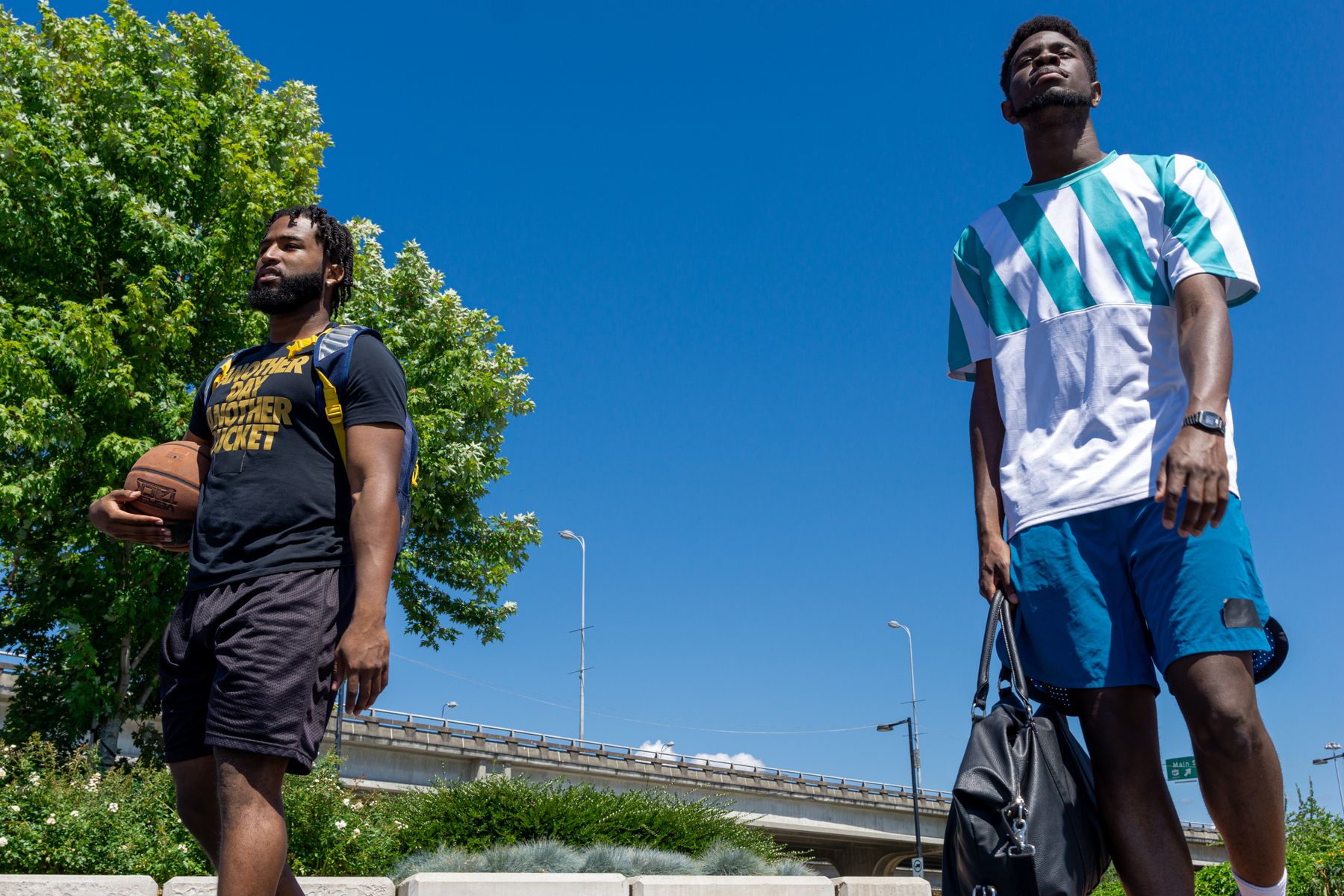
Ari / The organiser
“I stopped trying to do everything. That was when it started to feel like everyone’s club.”
Maya / The newcomer who stayed
“Someone made space for me. Now I notice who is standing by themselves.”
Leo / The regular
“I still want to win. I also want the person on the other side to come back.”
The next chapter
The members would like to help another neighbourhood begin its own gathering. Not a copy of Common Ground, but something shaped by the people who live there.
They would share what worked and what did not: the awkward beginnings, the closed court, the conversations that brought people back. The new group would decide its own sports, its own rhythm and its own name.
For now, the next Sunday is enough. Someone will arrive early. Someone will be new. Someone will make a little space.
Earlier club stories
Every club begins differently. We make room for the places, people and decisions that give each one its own character.
More club stories to follow.
Back to this issue ↑